
Proposal comparison
Make every bidder describe the same finished result
A homeowner worksheet for comparing stucco proposals by observations, repair limits, trade handoffs, finish boundaries, and changes.
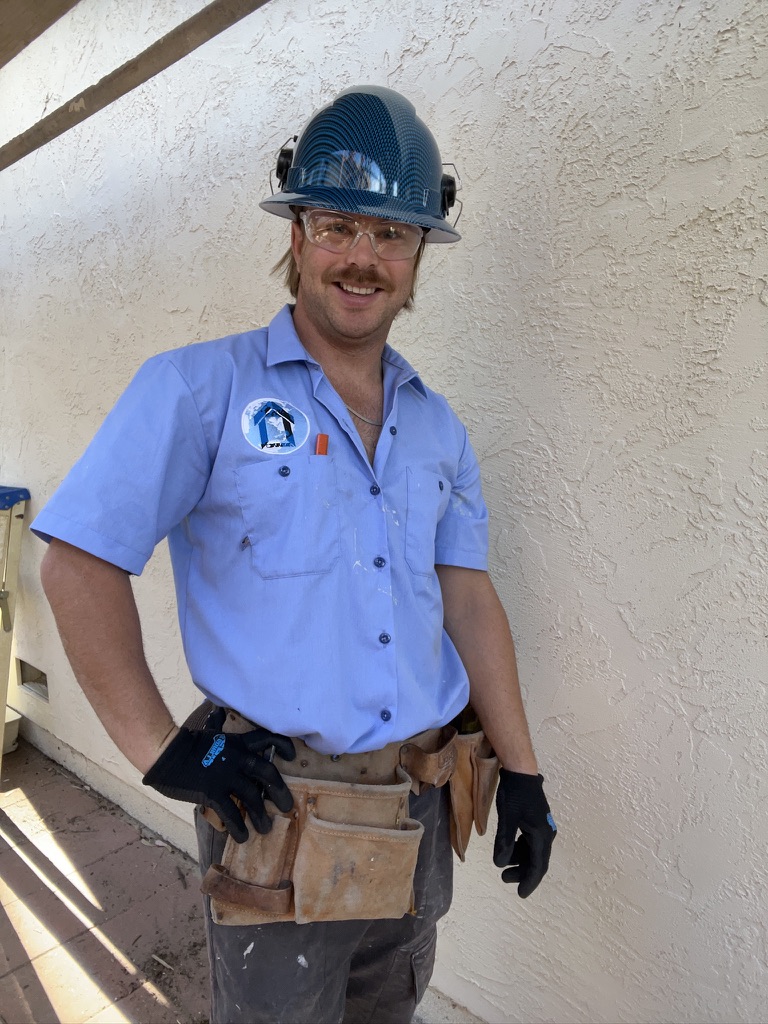
Two stucco proposals can use the same words and price different results. “Patch and paint” may mean a surface touchup in one bid and removal, preparation, layered repair, texture blending, primer, and wall-plane coating in another. Before comparing totals, give each bidder the same facts and rewrite the proposals into common categories. The best choice is the one that clearly explains what will be done, what remains unknown, and how the owner controls changes.
Give bidders one problem statement
Share the same dated photos, symptom history, prior repair information, access limits, recent trade work, and desired outcome. State whether you need source investigation, a limited physical repair, a finish improvement, or a coordinated combination. Do not ask a bidder to certify concealed conditions from photos.
For water or repeat-crack conditions, require observed facts and possible causes to be listed separately. Ask what the bidder can determine during a walkthrough and what would require another trade, better access, or selective opening. This makes uncertainty visible before prices are compared.
Normalize the physical repair
Create rows for access, protection, removal, preparation, substrate or backing work when verified, reinforcement, base work, finish coat, joints, cleanup, and disposal. Ask each bidder to mark included, excluded, allowance, or not yet determined. Early quantities should remain assumptions until field verification supports them.
List windows, roofing, plumbing, electrical, framing, waterproofing, landscaping, and interior work separately. A proposal should name required trade handoffs and the condition needed before stucco work proceeds. Broad exclusions are easier to understand when they identify the remaining party or decision.
- Access and property protection
- Removal and preparation limits
- Concealed-condition decision process
- Texture and coating boundaries
- Photos, cleanup, and closeout record
Compare appearance as its own scope
Ask bidders to draw the physical repair, texture blend, primer, and paint boundaries on matching photos. Record the sample process, owner approval point, and realistic limits of matching aged texture and coating. “Match existing” by itself does not describe the delivered result.
One bid may stop paint at the patch while another carries it to a corner or across a wall plane. The second is not automatically a better repair, and the first is not automatically a better value. Normalize the finish boundary before deciding which price fits your goal.
Test changes, schedule, and documentation
Ask what concealed or coating condition can change the price, who documents it, and who must approve added work. The proposal should prevent work from expanding through a verbal assumption. It should also identify dependencies and return visits without promising dates that field conditions or product instructions may not support.
Compare progress photos, daily communication, protection reset, final walkthrough, retained product information, and exclusions. These items matter when owners, tenants, managers, or multiple trades depend on the same sequence. A clear record adds value even when the visible patch is small.
Choose the explained scope, then approve it
Review price after the categories match. Identify optional work, allowances, payment stages, open decisions, and the exact finished result. Verify contractor identity and current project requirements through the appropriate official sources rather than relying only on proposal language.
AWC is a licensed general contractor, CSLB 1063936, focused on clear scopes and documented work. For exterior, water-related, or uncertain conditions, AWC recommends the $250 Site Evaluation + Written Bid Package. The $250 is credited back when the quoted work is approved within 30 days. The package gives the owner a written baseline that can be used to compare equivalent work instead of selecting among vague totals.
Planning checklist
- Give every bidder the same photos, history, access, and goal.
- Compare physical repair categories before comparing totals.
- Draw texture, primer, and paint boundaries on matching photos.
- Require written evidence and approval before added work.
- Review handoffs, documentation, cleanup, and open decisions.
Questions owners ask
Should I choose the lowest stucco proposal?
Only after confirming the bids describe the same access, repair, finish, and documentation. A lower total may simply purchase a smaller scope.
What makes an allowance useful?
It states the assumed condition or quantity, included amount, and method for adjustment after verification. It should not hide an undefined major scope.
How do I compare texture matching claims?
Compare sample process, approval point, blend area, paint boundary, and stated limitations. Those details are more useful than a broad perfect-match promise.
Related AWC context
AWC article
What HOA Boards and Property Managers Should Ask for in a Stucco Repair Proposal
Review access, protection, finish boundaries and documentation before approving exterior work.
AWC article
Patch, Recoat, or Restucco? How to Choose a Repair Scope
Compare repair boundaries by condition, finish continuity and the result the owner needs.
AWC article
Behind AWC: The Part of Contracting You Don’t Usually See
See how investigation, coordination and documentation support a clearer repair scope.